
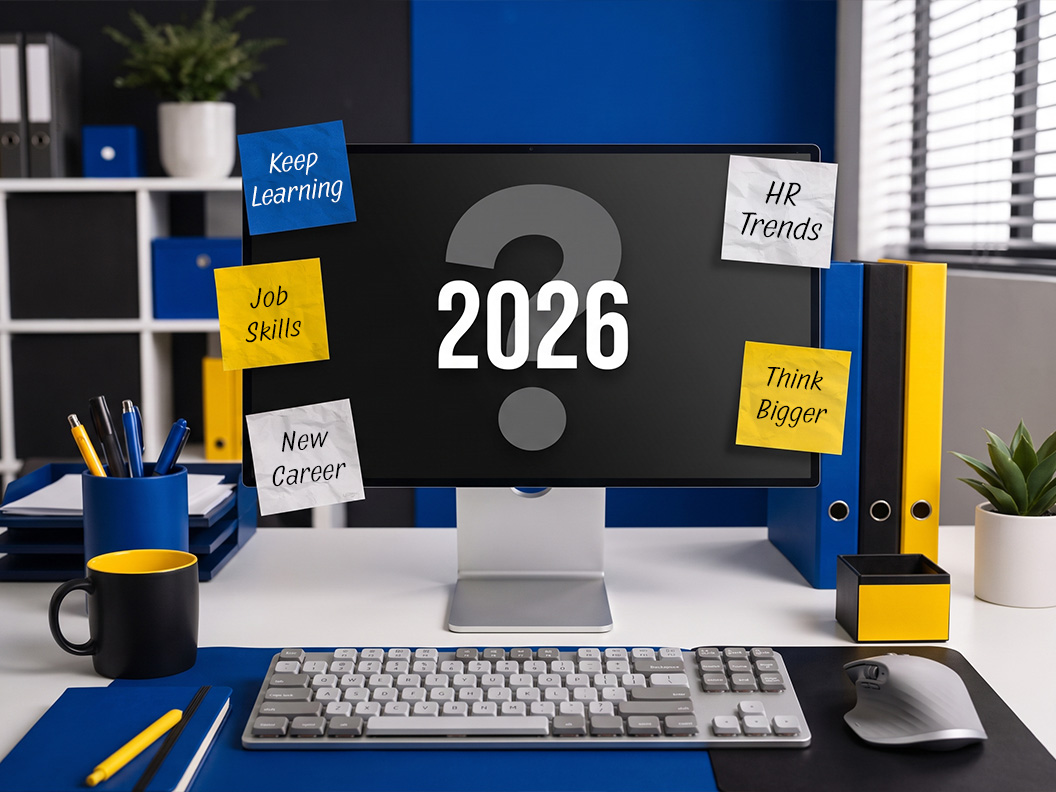
The labour market in 2026 continues to change rapidly under the influence of technology, artificial intelligence and new ways of working. Employers are increasingly assessing not only a candidate’s education or previous position, but also their specific skills, ability to adapt and capacity to learn new tools quickly.
Artificial intelligence skills
AI is already being used in marketing, sales, analytics, working with texts, programming and many other fields. Therefore, employers pay attention to candidates who understand the capabilities of such tools and know how to apply them in their daily work.
At the same time, it is important not simply to use AI, but to be able to check the result obtained, formulate tasks correctly and understand when automation genuinely helps to work more efficiently. Skills related to AI, big data and technological literacy remain among those for which demand is growing the fastest.
Analytical and critical thinking
The large amount of information and the automation of routine processes make the ability to analyse data even more important. Employers need specialists who can not only obtain information, but also understand it, identify cause-and-effect relationships and make well-founded decisions.
Analytical thinking remains one of the key competencies that employers consider important for modern employees.
Communication and teamwork
Despite the development of technology, human skills are not losing their importance. The ability to explain ideas clearly, reach agreements, work with colleagues from different departments and maintain effective communication remains important in many professions.
In 2026, the importance of skills in teamwork, mentoring, people management and communication with stakeholders is also increasing.
Flexibility and willingness to learn
Knowledge that was relevant several years ago may need updating today. According to World Economic Forum estimates, by 2030 around 39% of the key skills required by employees may change.
Therefore, employers value candidates who are ready to learn, adapt to new processes and are not afraid of change. Flexibility, curiosity and continuous learning are gradually becoming as important as professional knowledge.
Creativity and the ability to find solutions
Automation can perform an increasing number of standard tasks, but unconventional thinking remains a human strength. Creativity is needed not only by designers or copywriters. It helps to find new approaches, solve problems and improve work processes.
That is why creative thinking is among the skills whose importance continues to grow alongside the development of technology.
What this means for candidates
In 2026, employers are increasingly looking for a combination of professional and personal skills. It is important not only to perform your main work well, but also to be familiar with modern technologies, be able to analyse information, interact with people and continue developing.
Therefore, when looking for a job, it is worth showing in your CV not simply a list of responsibilities, but specific skills, results and examples of how you applied them in practice.
Want to develop and gain new professional experience? View the open vacancies at Scientific Alliance.
